- Verdict
- Excellent tactical community series
- Released
- 27 Aug 2026
- Platforms
- PC, PlayStation 5, Xbox Series X|S
- Streamer fit
- Community-led, Story-first, Challenge runners
- Genres
- Strategy, Turn-based strategy (TBS), Tactical
Turn-based planning gives viewers time to assess risks, debate operators, and understand the chosen move.
Close tactical saves and costly mistakes land well when the clip includes the plan that preceded them.
A cinematic campaign, operator specialties, squad development, and challenge rules support a durable series.
The Star Wars name brings attention and major channels, so strategy expertise or a strong community premise matters.
Critics strongly praise the tactical combat, customisation, cast, and use of Star Wars, with minor technical and pacing complaints.
Takeaway
Star Wars Zero Company earns a 9/10 Chum score. Turn-based tactics leave excellent room for chat, the squad creates characters viewers can follow, and a cinematic Clone Wars story gives every mission a larger purpose. It is a crowded licence, but the slower tactical format gives thoughtful creators more ways to distinguish themselves than a straightforward action campaign would.
What is Star Wars Zero Company?
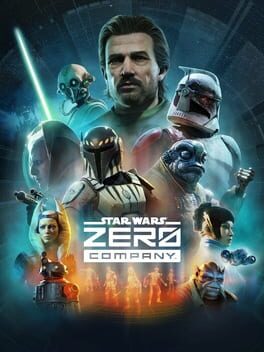
Star Wars Zero Company is a single-player turn-based tactics game in which you play Hawks, a former Republic officer leading a hired squad against an emerging threat near the end of the Clone Wars. Between story missions you recruit operators, choose their equipment and develop the team; in combat you move them between cover and combine their specialties without losing people you need later. It is the long-awaited 'XCOM in Star Wars' game, but its fixed cinematic squad has stronger identities and relationships than XCOM's supply of replaceable recruits.
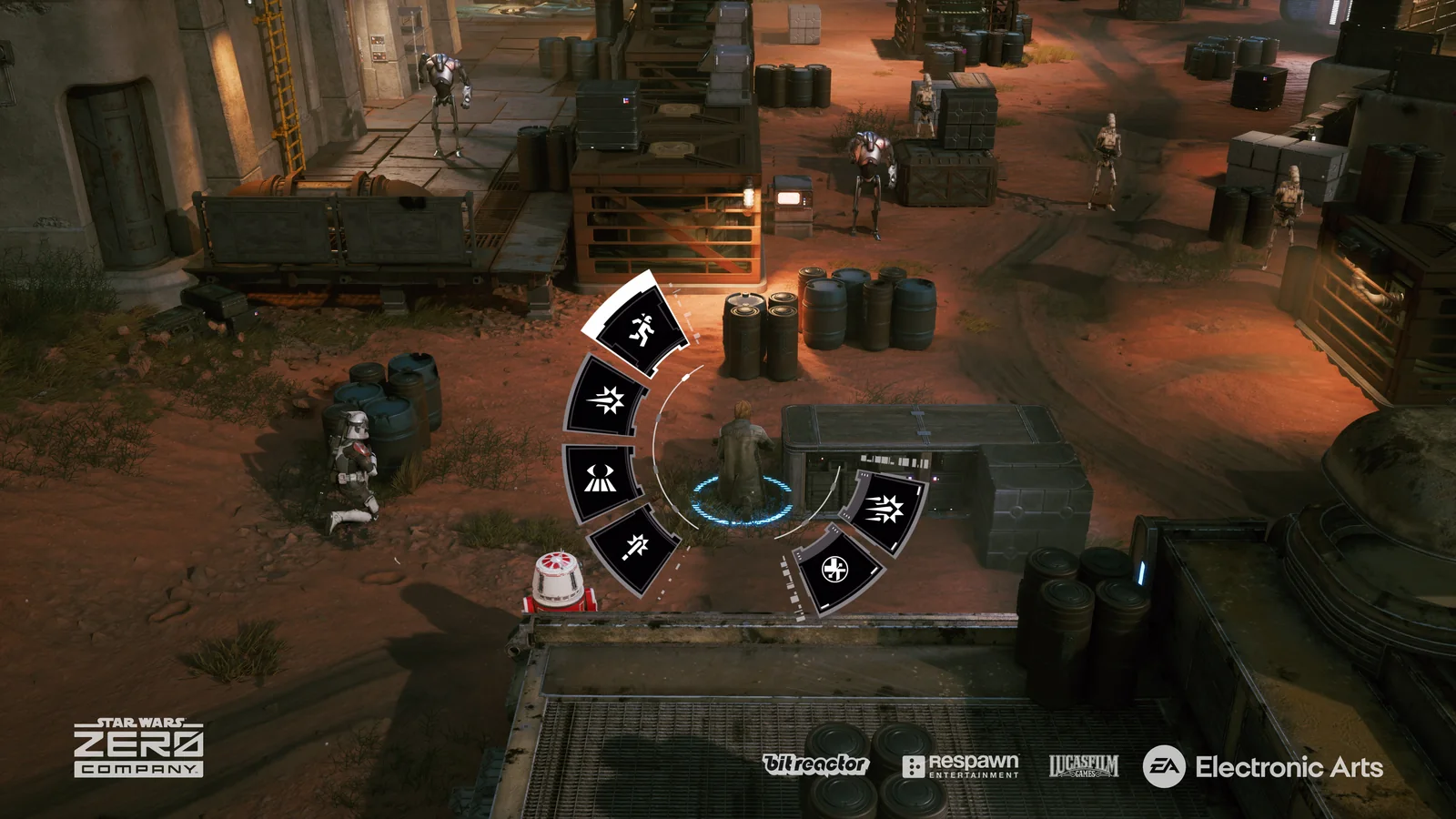
Missions ask the player to combine specialist roles, terrain and abilities across a turn-based battlefield. A Jedi can move enemies into a prepared firing line, a medic can make an aggressive position survivable, and Overwatch can turn an opponent's response into the final part of the plan. Permadeath makes those choices matter beyond one encounter, while dual specialisations and tailored loadouts let the same named operator grow in very different directions.
It is more story-led and less strategically open-ended than XCOM 2, which is a useful distinction rather than a failure to copy every system. Recruitment, upgrades and squad management connect substantial missions, but the Clone Wars narrative provides the forward pull. Zero Company is designed to give tactics newcomers a readable way into the genre and to give veterans a handcrafted Star Wars campaign where success still feels earned one careful turn at a time.
How the game has been received
Star Wars Zero Company has been received exceptionally well. Its OpenCritic consensus is backed by enthusiastic reviews from PC Gamer and TechRadar, which praise the tactical combat, customisation, cast, and use of the licence. Technical issues, linear exploration, and uneven pacing are the main recurring qualifications.
The Chum score measures streamability. It is not a score for the Star Wars story, tactical balance, presentation, or overall game quality. Independently sourced reception is one factor in the broadcast verdict.
The streamer verdict
This is a strong fit for a creator who enjoys explaining decisions. State the objective, show the dangerous line, and ask chat which risk it would accept. Then make the move yourself. The stream needs an author, even when the room gets a voice.
Avoid turning each turn into a long committee meeting. Give discussion a time limit or reserve audience votes for recruitment, upgrades, and one major decision per mission. Tactical clarity is useful; tactical paralysis is not.
The squad makes strategy personal
EA's official Zero Company page describes a single-player turn-based tactics game set late in the Clone Wars, with an elite squad of operators whose specialties can be used together. Viewers can remember people and roles more easily than abstract unit classes, which makes a long campaign much easier to follow.
Introduce each operator through one job they perform for the stream. When that role changes or a favourite is in danger, the audience understands the consequence without needing to memorise every statistic.
Show the plan before the payoff
The official launch announcement calls out tactical depth and a cinematic original story. Those strengths need different streaming rhythms. Let story scenes play cleanly, then slow down enough in battle for the audience to understand the gamble before the result.
Formats worth trying
- A blind campaign where chat chooses one squad priority before each mission.
- A high-difficulty run with no mission restarts.
- An operator spotlight series built around one specialist per stream.
- A post-mission command debrief that identifies the move that changed the outcome.
Final verdict
Star Wars Zero Company is a 9/10 Chum game for strategy-led communities. It creates chat space without sacrificing stakes, and its squad gives viewers people to support across a full campaign. Set boundaries on decision time, protect the story from spoilers, and make the reasoning visible before every memorable success or failure. That acclaim reinforces the 9/10 Chum score because the tactics and characters give viewers a reason to follow the whole campaign rather than sample one launch stream.