- Verdict
- A funny but uneven sandbox stream
- Released
- 7 Oct 2026
- Platforms
- PC
- Streamer fit
- Community-led, Story-first, Challenge runners
- Genres
- Fighting, Role-playing (RPG), Simulator, Adventure
Patrol routes, jobs, upgrades, and competing personal needs give chat regular priorities to debate.
Flights, rescues, villain fights, and sandbox mishaps can produce strong short moments.
Hero progression creates a runway, but repeated missions and grind can flatten a long series.
The superhero life-sim premise is distinctive, though the category lacks a large established audience.
Players like the fantasy and ambition, while repetition, bugs, shallow systems, and presentation remain recurring complaints.
Takeaway
Superhero Simulator earns a 6/10 Chum score. The double life of rescues, crime fighting, rent, work, and personal needs can create a funny personality-led sandbox, but mixed reception and repeated roughness limit its value as a dependable long series.
What is Superhero Simulator?
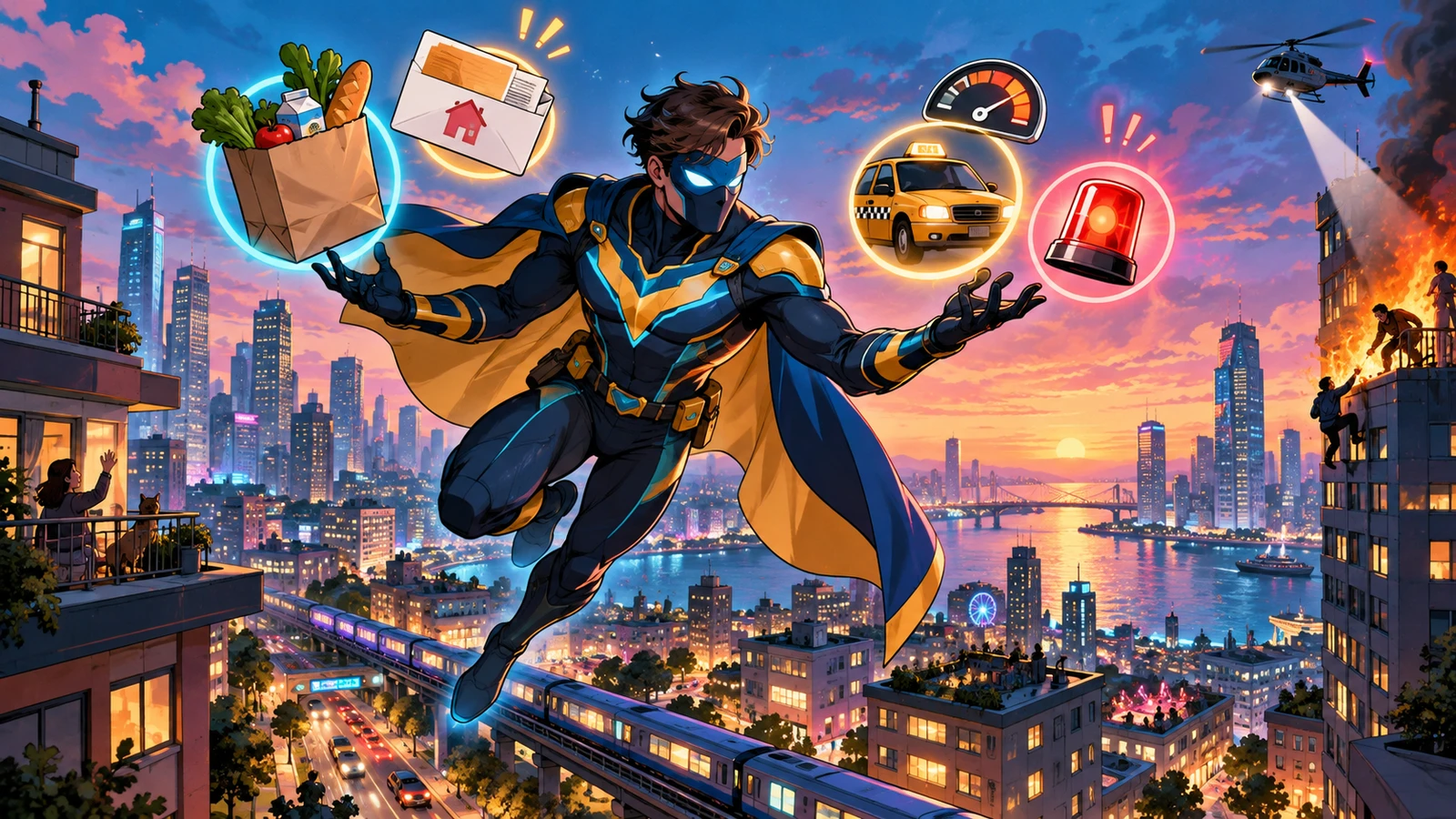
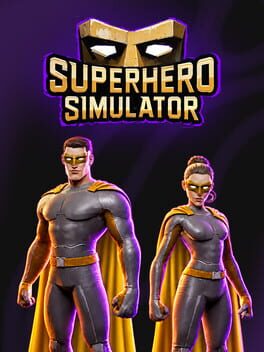
Superhero Simulator is a single-player open-world life sim about protecting Goldpine City without escaping ordinary expenses. You patrol for robberies, fires, missing civilians, and larger villains, then return to jobs, food, hygiene, mental state, rent, and the equipment that keeps the heroic side moving.
A normal session is a tug of war between urgent calls and long-term maintenance. Heroic actions unlock abilities and respect, but taxi work, burger shifts, and other ordinary jobs pay for food and upgrades. Ignoring the civilian half can leave the character less prepared when the next emergency arrives.
The game reached 1.0 after an Early Access period, adding a clearer story path, bosses, finishers, hero rank progression, and a day-and-night cycle. Its identity is not simply flying through a city. The main idea is that power does not remove time pressure, bills, or the awkward work of maintaining a public and private identity.
How the game has been received
Reception is mixed but not dismissive. Steam showed 732 positive and 253 negative recommendations on 8 October, a Mostly Positive lifetime label built largely during Early Access. Independent reviews from Fix Gaming Channel and NeonLightsMedia both valued the unusual superhero-and-day-job premise, but found repetition, technical problems, shallow combat or progression, and uneven presentation. Because 1.0 had only just launched, that older evidence cannot prove how completely the final update addressed those concerns. Current Steam reception.
The Chum score measures streamability. It does not rate conventional game quality. Independently sourced reception is one factor in the broadcast verdict.
The streamer verdict
The city provides a steady stream of visible interruptions. A creator can set out to earn rent, reach the next hero rank, or test a new ability, then let emergencies derail the plan. Those collisions between mundane work and oversized rescue are where the broadcast has personality.
The same structure can become repetitive. If every episode alternates similar jobs and calls, chat sees the system before the character has finished growing. The reception evidence lowers the Chum score because those complaints affect both creator endurance and viewer retention, not because every glitch or grind beat is automatically bad television.
Give the hero a shift plan
Start each stream with one civilian goal and one heroic goal, such as making rent before defeating a named boss. Let chat choose which call is worth abandoning the plan for. The constraint gives a messy sandbox an episode shape and turns failure into a story rather than drift.
Final verdict
Superhero Simulator earns a 6/10 Chum score for personality-led sandbox creators. The premise and visible chaos are useful live, but the mixed reception materially limits the recommendation: repetition, grind, and roughness can exhaust a series before the fantasy reaches its best moments.