- Verdict
- A focused psychological horror event
- Released
- 8 Oct 2026
- Platforms
- PC
- Streamer fit
- Horror and reactions, Story-first, Discovery-focused
- Genres
- Indie
Documents, objects, and environmental puzzles create pauses for theories, though tense sequences need the host's attention.
A familiar office changing around the player gives scares and visual reveals an immediate setup and payoff.
The mystery is strongest on a blind first run, with no established evidence yet for replay or a long campaign.
The release is small enough to own, although that also means very little built-in discovery or reception data.
Takeaway
DROWSE earns a provisional 7/10 Chum score. Its shifting office, inspectable evidence, and psychological horror setup are strong first-playthrough material, while a grief-centred story and absent reception evidence call for a careful, spoiler-aware one-shot rather than a confident long series.
What is DROWSE?
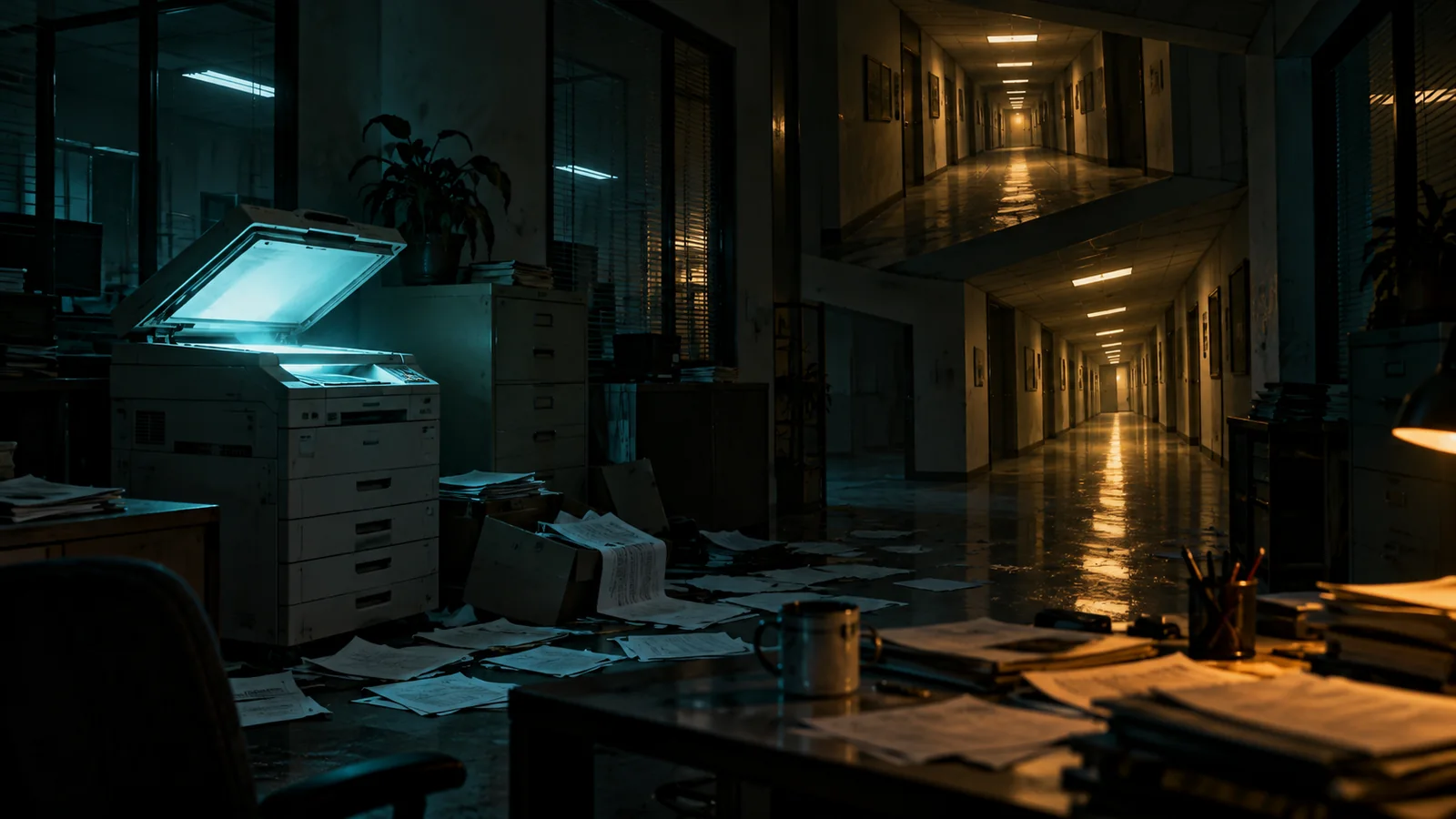
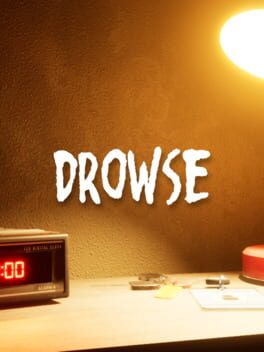
DROWSE is a first-person psychological horror game from Milky Coco Games. Set in the 1990s, it follows Andrew as he returns to an office to copy documents while carrying the grief of losing his dog, Oxmo.
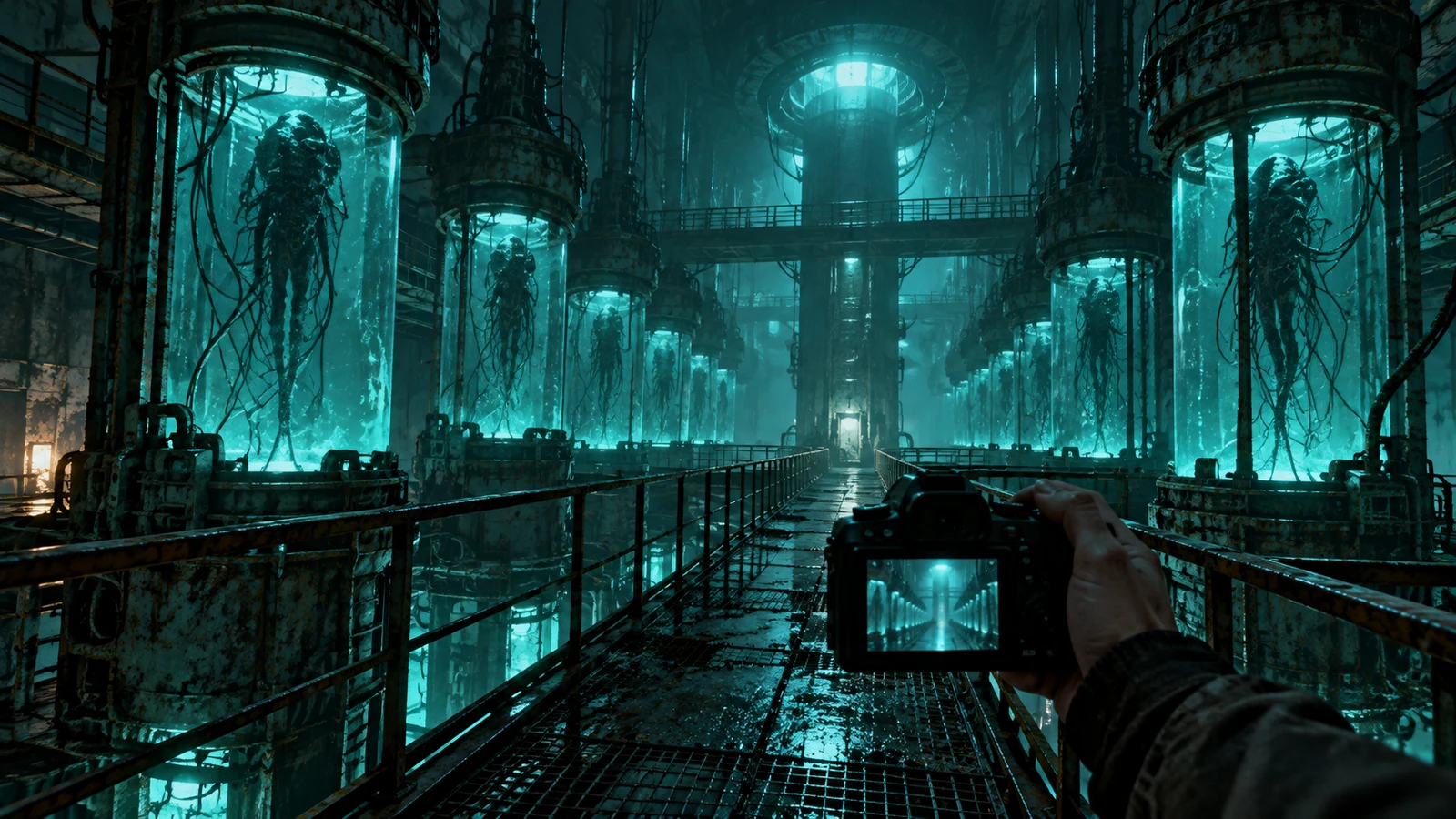
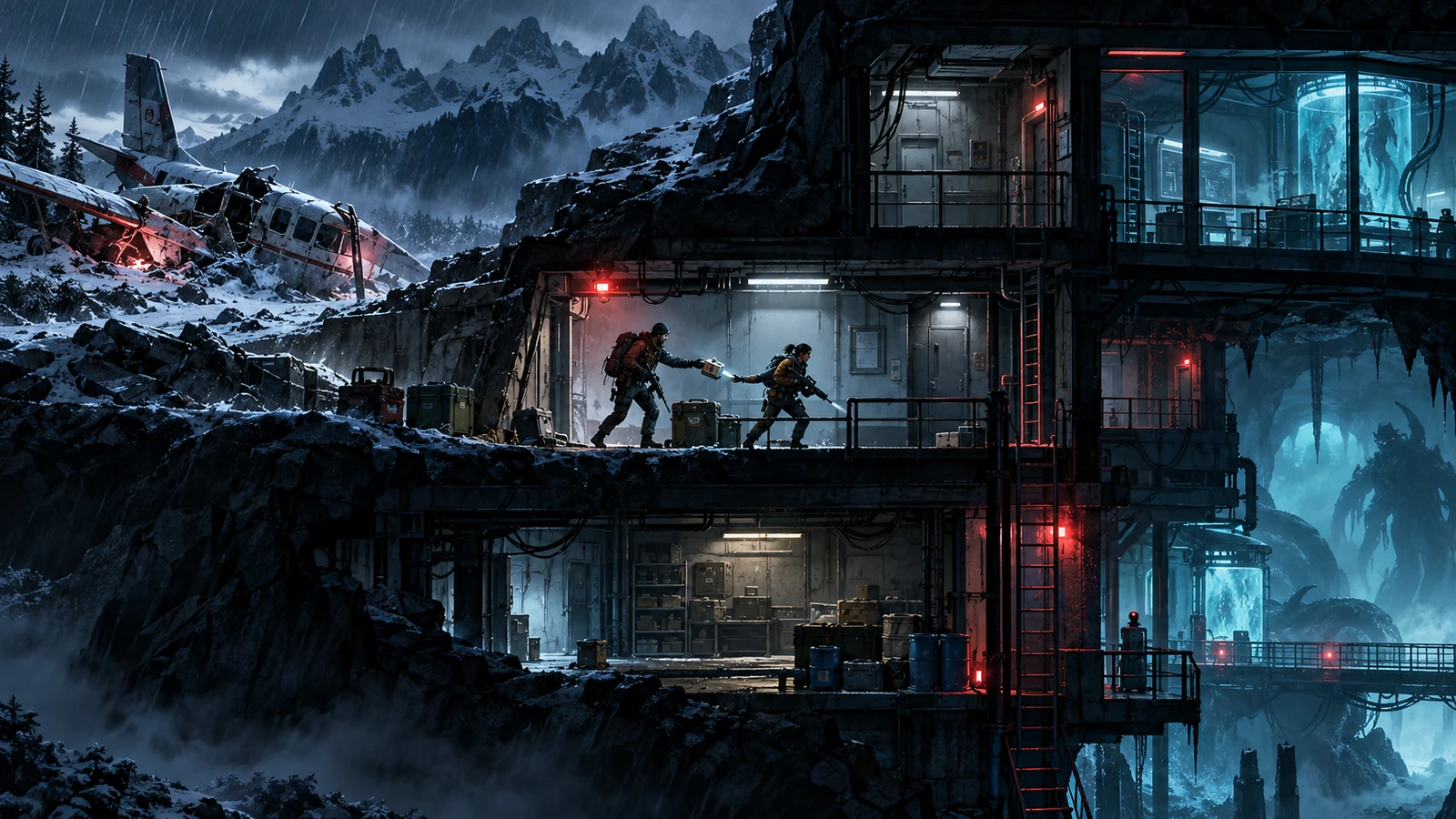
The office is the main source of unease. Rooms and corridors change as the night develops, and the player searches through documents, photographs, recordings, and ordinary objects for context. Environmental puzzles interrupt that investigation without turning the game into a combat showcase.
The developer's official site identifies DROWSE as a solo PC release. That narrow format puts all of the broadcast weight on atmosphere, observation, and the host's willingness to sit with the story rather than rush to the next scare.
How the game has been received
Broad reception cannot yet be assessed. Searches on 9 October 2026 found no substantial bylined review, critic aggregate, or useful player-rating sample for the exact game. The developer and Steam establish the premise and release, but not an independent quality verdict, so the Chum score remains provisional.
The Chum score measures streamability. It does not rate conventional game quality. Independently sourced reception is one factor in the broadcast verdict.
The streamer verdict
DROWSE has a useful horror-stream rhythm. Exploration gives the host room to read chat and compare theories, then an altered corridor or newly wrong object provides a clean moment of recognition. Viewers joining halfway through can still understand that the office itself is becoming unreliable.
The same mystery limits repeat value. Documents and visual changes lose force once their order and meaning are known, and the emotional material deserves more than a constant hunt for reaction clips. Set expectations around grief, protect story discoveries, and avoid using chat hints to flatten every puzzle.
Run one evidence board
Keep a small on-screen list of three open questions and update it only at natural breaks. Let chat vote on which room or piece of evidence to check next, but hold all direct solution hints until the host asks. That makes audience theories visible without turning the first playthrough into a walkthrough.
Final verdict
DROWSE earns a provisional 7/10 Chum score. The setting is legible, the environmental changes should clip well, and the evidence gives chat something concrete to discuss. Its best form is one deliberate, spoiler-controlled horror event, not a repeatable channel pillar.