 8
8Streamer review
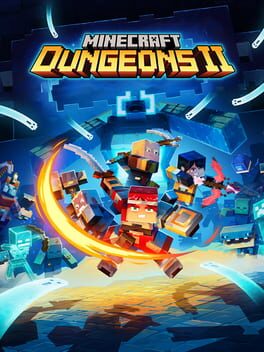
Minecraft Dungeons II
Four-player co-op, readable combat, flexible builds, and a new dimension full of loot make this a strong squad series with heavy launch competition.
- Verdict
- Strong co-op adventure series
- Released
- 29 Sept 2026
- Platforms
- PC, PlayStation 5, Xbox Series X|S, Nintendo Switch 2, Nintendo Switch
- Streamer fit
- Co-op and squads, Community-led, Discovery-focused
- Genres
- Role-playing (RPG), Hack and slash/Beat 'em up, Adventure
Traversal, loot checks, and build choices open the room, while large encounters need the squad's attention.
Bosses, rescues, ability combinations, loot surprises, and squad mistakes have clear visual payoffs.
Campaign progress, gear builds, difficulty goals, co-op roles, and mission reruns create strong return value.
The Minecraft name draws large creators and established communities, so squad identity matters.
Reviews praise the accessible co-op combat, while PC players report account, control, and Steam Deck friction.
Takeaway
Minecraft Dungeons II earns an 8/10 Chum score. Four-player co-op, obvious combat goals, flexible loot builds, and a new dimension to discover give a squad both instant highlights and a long series. The limitation is launch competition: the Minecraft name attracts attention, but it also puts a new channel beside creators with established audiences.
What is Minecraft Dungeons II?
Minecraft Dungeons II is a top-down action RPG in which one to four heroes fight through Minecraft-themed areas, collect weapons and armour, and stop an Illager council exploiting rifts into a new dimension called the Sift. It follows Mojang's 2020 attempt to make a family-friendly Diablo, keeping the quick combat and readable loot while giving the adventure a much larger sense of place. Instead of hopping between isolated missions from a camp, the party explores a connected Overworld, follows side paths and decides when to enter the unpredictable Sift.
It still is not Minecraft with mining and building. The pleasure comes from pushing through mobs, finding gear and gradually turning a simple adventurer into a specialised part of the squad. The difference is that builds now have more room to breathe: separate armour pieces, talismans, artifacts and enchantments create more combinations, while jumping adds a small but meaningful layer to movement and combat. Couch, online and mixed co-op support up to four players, so the game remains designed around a group even though it can be played alone.
The useful shorthand is a broader and more confident version of the original, not a reinvention of the genre. Its campaign has more to discover, the Sift gives repeat visits changing conditions, and the expanded equipment system makes party roles less interchangeable. Anyone who liked the first game's low-friction dungeon crawling should recognise it immediately; anyone hoping for Minecraft's creative freedom or the complexity of a full-scale Diablo still will not find that here.
How the game has been received
Critical reception is positive rather than exceptional. GamesRadar's review praises the accessible, polished dungeon crawling, while a broader review roundup finds critics agreed it improves the original without greatly deepening the formula. Steam reviewers are much more divided, with recurring complaints about Microsoft-account requirements, keyboard controls, Steam Deck support, and the campaign's length.
The Chum score measures streamability. It is not a conventional score for combat feel, progression balance, performance, or overall game quality. Independently sourced reception is one factor in the broadcast verdict.
The streamer verdict
Bring a squad that can talk clearly, share the spotlight, and recover from a bad fight without turning the stream into blame. The game supplies enemies and loot, but the personalities make the series. A consistent group gives viewers people and running stories to remember between missions.
Solo play still works for a discovery or challenge run, but co-op is the stronger broadcast case. Teammates create rescues, competing build ideas, shared discoveries, and mistakes that remain readable even to someone who joined halfway through the mission.
Four players give every fight a cast
The official Steam listing says Dungeons II supports parties of up to four through couch, online, and mixed co-op, with matchmaking also available. That flexibility makes a regular squad practical without making every cancelled guest a crisis.
Give each player a loose role before a difficult section, then explain the plan in one sentence. Viewers do not need every cooldown or statistic. They need to know who is controlling the crowd, who is protecting a revive, and what failure looks like.
Loot creates useful chat decisions
Mojang's launch overview describes weapons, armour, enchants, talismans, and artifacts that can be combined into different playstyles. Those choices give chat something useful to discuss between fights without asking viewers to steer every attack.
Keep the build explanation short and comparative. Say what the new item changes, who benefits, and whether it serves the current squad plan. Reading every attribute aloud will stop the adventure just when the audience wants to see the next room.
Protect the first trip into the Sift
The official Dungeons II overview introduces the Sift as a new dimension with unfamiliar threats, mysteries, and locations. That gives the first playthrough real discovery value, but it also means thumbnails, titles, and chat need sensible spoiler boundaries.
Let the squad react before explaining what a new area contains. Returning viewers can help with a build or missed route, but they should not turn every reveal into an advance briefing. Discovery is part of the stream's value.
Formats worth trying
The same squad, one shared rule
Keep the players consistent and change one rule per session, such as a gear theme, difficulty target, or role restriction. Familiar chemistry meets a fresh objective.
Build clinic between missions
Give chat a short window to compare two upgrades or suggest one synergy, then lock the loadout and move. The audience contributes without turning inventory management into the whole broadcast.
One mission, one seat
For community nights, rotate one guest slot after each completed mission instead of running an open lobby. Everyone knows when the change happens and the core squad keeps the stream coherent.
The category still needs an angle
A large franchise launch brings broad interest and heavy competition. Put the squad, challenge, difficulty, or community format in the title. A generic first playthrough can be enjoyable, but it gives a viewer little reason to choose one stream over another.
Final verdict
Minecraft Dungeons II is an 8/10 Chum game for co-op creators with a reliable group and a spoiler-aware audience. It offers readable action, strong clips, useful build discussions, and enough progression for a proper series. The condition is to make the squad and its goal the identity of the stream, because the Minecraft name alone will not solve launch discovery. That critic-player split lowers the final Chum score from its original 9 to 8: the co-op broadcast structure is excellent, but PC friction and a short campaign can shorten the series.