- Verdict
- A calm shape-sorting hangout
- Released
- 10 Oct 2026
- Platforms
- PC
- Streamer fit
- Chat-first, Simulation specialists
- Genres
- Puzzle, Simulator, Indie
Viewers can spot misplaced objects, suggest an order, or set a rule without learning a complicated system.
A huge mess becoming orderly is satisfying in context, but individual placements rarely make a strong standalone clip.
Random layouts and custom experiments extend the format, although every session returns to the same sorting task.
It avoids a crowded blockbuster category, but discovery still depends on selling a very quiet activity.
Takeaway
Sort Labs earns a provisional 6/10 Chum score. Its simple sorting rules make it easy for viewers to participate, and the pace leaves a streamer free to talk. The tradeoff is repetition: there are few natural highlights, and no independent reception yet to show how well the idea holds up.
What is Sort Labs?
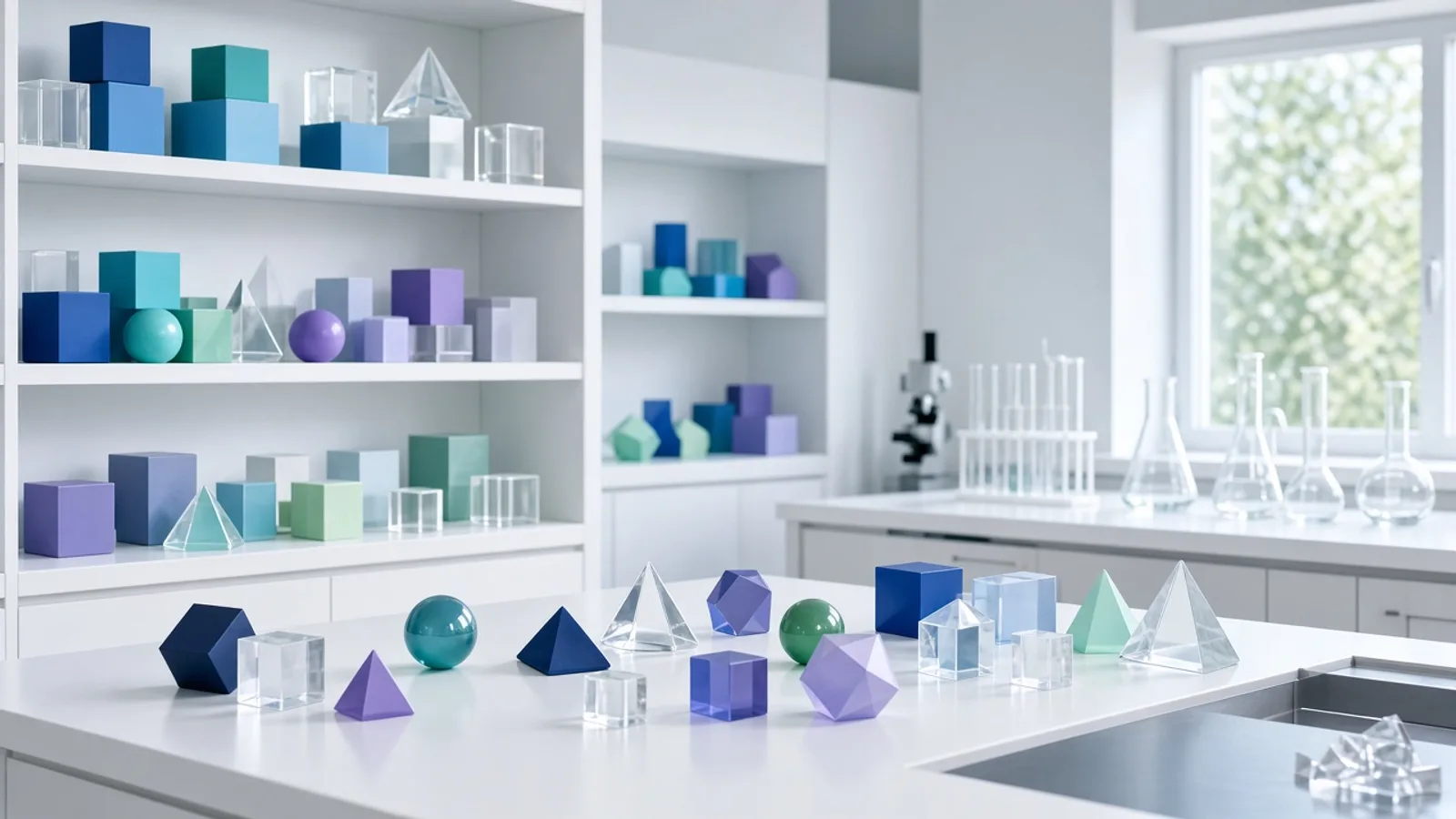
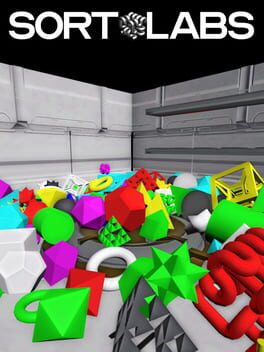
Sort Labs is a first-person organising game from Hurgle Studios, released for Windows on 10 October 2026. Each experiment starts with geometric objects scattered around a laboratory. The job is to carry them to the right shelves, group them by shape and colour, and arrange each group from smallest to largest.
That tidy-up is the complete play loop. You inspect the clutter, decide where a category belongs, move objects between rooms, and gradually turn the lab into an ordered storage space. The official Steam page explicitly rules out monsters, survival mechanics, and urgent crises. Dry laboratory reports provide the framing, but there is no campaign premise competing with the act of sorting.
Variety comes from scale rather than new mechanics. Hurgle Studios lists 24 object types, predefined experiments of increasing complexity, randomised layouts, and custom experiments containing up to 48 sets. The largest setups can exceed 8,000 objects. A timer, achievements, Steam leaderboards, and completion tracking support players who want efficiency rather than relaxation.
That structure makes the game unusually adjustable. A short experiment can fill a small segment, while a deliberately oversized custom lab can become the whole stream. What does not change is the basic action. More objects increase the workload and the chance of mistakes, but they do not introduce a second layer of strategy.
How the game has been received
There is no reliable reception picture yet. As of 12 October 2026, Steam showed no user reviews, and no qualifying full bylined reviews or useful critic aggregate were available. Listing pages and launch summaries describe the premise, but they do not establish whether the sorting remains enjoyable across the larger experiments.
The Chum score measures streamability, not conventional game quality. Independent reception would normally inform the verdict, but there is not enough evidence to do that here.
The streamer verdict
The best case for Sort Labs is a relaxed stream with a visible task in the background. Viewers can point out the next group, catch a mistake, or argue about the cleanest shelf layout. Because the rule is obvious, someone arriving halfway through can contribute immediately. The streamer also has room to hold a conversation without pausing a story or losing a match.
It is much weaker as a highlight generator. Finishing a giant room offers a before-and-after payoff, but most of the intervening action is carrying one object to a shelf. Random layouts prevent exact repetition without changing what viewers are watching. A series therefore depends more on the host's conversation and self-imposed goals than on surprises supplied by the game.
Use the lab as a chat format
A predefined experiment is enough to establish the rules. After that, custom labs can be shaped around the audience: chat chooses the object mix, predicts a completion time, or decides which room gets organised first. The extra rules should give the stream a goal without burying the calm appeal under constant gimmicks.
Final verdict
Sort Labs earns a provisional 6/10 Chum score. It is best for chat-first creators who want an uncomplicated activity while they talk with viewers. The game supplies a clear shared task, but the streamer must supply most of the variety, and the lack of independent reception keeps the score provisional.