- Verdict
- A distinctive horror night with sharp reactions
- Released
- 16 Oct 2026
- Platforms
- PC, PlayStation 5, Xbox Series X|S, Nintendo Switch, Nintendo Switch 2
- Streamer fit
- Horror and reactions, Story-first, Chat-first
- Genres
- Adventure, Indie
Exploration and puzzle solving invite theories, while combat and live-action shocks demand attention.
A sudden cut from pixel play to practical-effects horror gives reactions a clear setup and payoff.
Four endings support return runs, but the story and major surprises lose force once the route is known.
The presentation gives smaller horror channels a clear hook outside the largest launch categories.
Critics and Steam reviewers praise the atmosphere and live-action craft despite recurring combat complaints.
Takeaway
Tenebris Somnia earns a 7/10 Chum score. Its jump from retro exploration to full-motion horror gives a streamer immediate reveals, while puzzles leave room for audience theories. Clumsy combat and spoiler-sensitive scenes keep it from being an easy long series.
What is Tenebris Somnia?
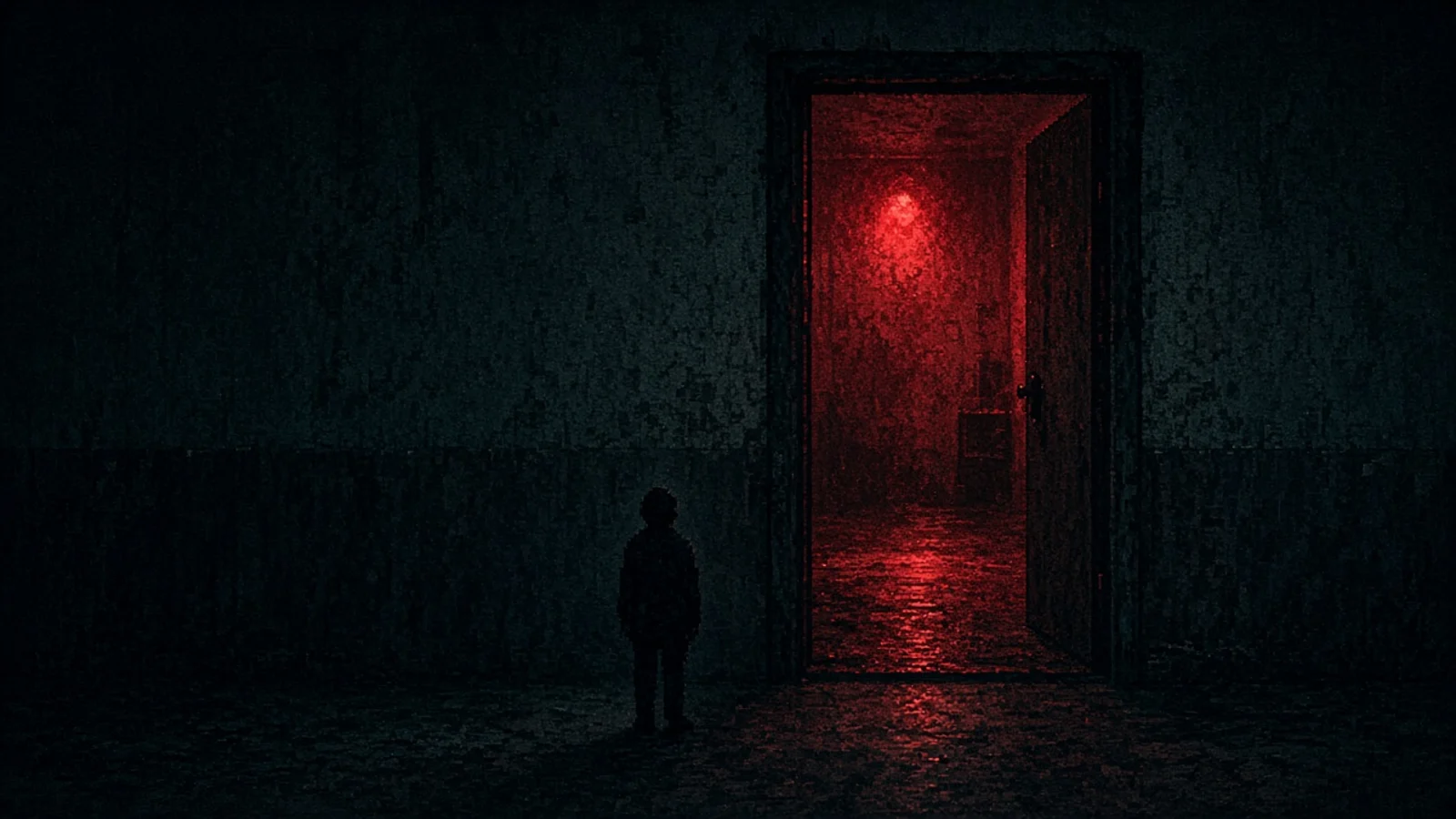
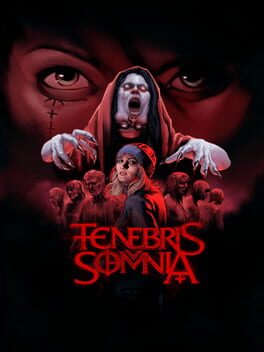
Tenebris Somnia is a single-player survival horror adventure from Andrés Borghi and Saibot Studios. You guide Julia through apartments, streets, and other hostile spaces in a top-down pixel presentation, searching rooms, managing limited supplies, solving puzzles, and fighting creatures while trying to understand what has happened to her.
The repeated loop is deliberately familiar. A locked route sends Julia looking for an item or clue, exploration exposes another piece of the mystery, and combat makes carrying the right resources matter. Fixed viewpoints and compact rooms make the immediate objective readable, although close-range fights can become awkward when collision and positioning work against the player.
The distinguishing idea is what happens at major story beats. The game leaves its pixel world for live-action sequences filmed with actors and practical effects. These scenes are part of the narrative rather than an optional gallery, so the visual change becomes a recurring source of surprise. Four endings give the campaign some replay value without turning it into an open-ended horror system.
It sits in the classic survival horror tradition, but the film work changes the rhythm. Slow investigation can give way to a scene with very different scale and texture, then return the player to an economical 2D space. That contrast is the reason this particular release is more than another retro horror homage.
How the game has been received
Reception is clearly positive. On 20 October, OpenCritic showed an 84 average with 80% recommending it, while Steam showed 94% positive from more than 600 reviews. Bloody Disgusting and Shacknews both found the mixed-media horror memorable.
The recurring reservations concern stiff combat, collision problems, obscure puzzle steps, and uneven difficulty. The positive response strengthens the case for a focused story stream, but those mechanical frustrations lower the score because they can turn suspense into repetition.
The Chum score measures streamability, not conventional game quality. Positive reception supports the recommendation, while broadcast pacing and spoiler exposure still decide the score.
The streamer verdict
This is strongest as a shared horror screening where the player still has useful decisions to make. Viewers can read documents, argue over puzzle solutions, and anticipate the next live-action break. The host gets natural recovery time after each scare instead of having to sustain constant commentary through combat.
Set a firm hint rule before starting. A chat that searches ahead can flatten both puzzles and story reveals, while a total ban on help wastes the game's conversational strength. Content warnings should cover gore and sustained horror imagery.
A sensible stream format
Run one blind campaign in two or three sessions, then return only if the audience wants another ending. Keep a short theory board between streams so viewers can rejoin the mystery without a long recap.
Final verdict
Tenebris Somnia earns a 7/10 Chum score. Horror and story creators get a rare visual hook, useful audience puzzles, and a well-received campaign. Its combat roughness and finite surprises make a focused event a better fit than an indefinite series.